


 Nov 13, 2025
 View:1126
Businesses across industries rely on adaptable solutions to meet changing demands. The global industrial tents market reached USD 2.19 billion in 2024 and continues to grow, driven by the need for flexible storage. Companies in logistics, manufacturing, agriculture, and retail use temporary warehouse tent structures to maximize space and efficiency.
| Benefit | Explanation |
|---|---|
| Quick Setup | Rapid installation allows businesses to respond to immediate needs. |
| Lower Investment | Initial costs remain lower than permanent buildings, easing financial strain. |
Companies achieve improved workflows and save time with onsite temporary storage.
Key Takeaways
Temporary warehouse tents provide quick setup, allowing businesses to respond to urgent storage needs.
These tents offer a cost-effective alternative to permanent buildings, reducing financial strain.
Businesses can customize tents to fit specific inventory needs, ensuring safety and organization.
Temporary tents support seasonal storage, helping companies manage inventory peaks without long-term commitments.
Logistics companies use temporary tents to create efficient sorting and staging areas, enhancing operational flow.
Temporary tents protect equipment and materials on construction sites, extending their lifespan and reducing maintenance costs.
These structures can be deployed rapidly for emergency response, providing essential storage and shelter during disasters.
Temporary warehouse tents can be relocated or expanded easily, adapting to changing business requirements.
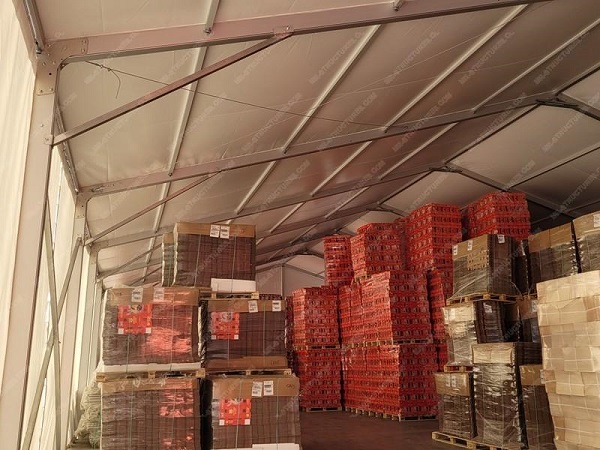
Seasonal Storage with Temporary Warehouse Tents
Managing Inventory Peaks
Retail and E-commerce Surges
Retailers and e-commerce companies often face significant inventory increases during holidays, sales events, and promotional periods. Many businesses experience space constraints each year, especially when inventory overflow occurs. Temporary warehouse tents offer a rapid storage expansion option, allowing companies to respond quickly to demand spikes. For example, in the United States, e-commerce logistics facilities use temporary modular warehouse tents to handle seasonal capacity overflow. Retail chains in the United Kingdom rely on these structures for inventory overflow during refurbishments and seasonal events. These solutions help maintain organization and prevent clutter, supporting day-to-day operations without long-term commitments.
Tip: Businesses can customize temporary warehouse tents to fit specific inventory needs, ensuring safety for products and employees during busy periods.
Agricultural Harvest Overflow
Agricultural producers often struggle with storage during harvest seasons. In Brazil, agribusiness operators utilize temporary warehouse tents for crop storage and commodity staging near ports. These tents protect harvested goods from weather and pests, providing flexible storage that adapts to changing volumes. Farmers benefit from overflow storage that can be set up quickly and relocated as needed. This approach helps preserve product quality and supports efficient logistics during peak harvest times.
Cost-Effective Expansion
Temporary warehouse tents provide a cost-effective storage solution for businesses that need extra space during peak seasons. Companies avoid the high costs and long timelines associated with permanent buildings. The following table highlights key benefits:
| Benefit | Description |
|---|---|
| Quick Installation | Businesses can set up temporary warehouse tents rapidly to meet urgent storage needs. |
| Cost-Effectiveness | These structures offer a more affordable alternative to permanent facilities, reducing overhead. |
| Easy Relocation | Tents can be moved or reconfigured, offering flexible storage for changing requirements. |
| Customization | Companies tailor tents to specific inventory types and volumes. |
| Seasonal Inventory Support | Ideal for managing seasonal surges without long-term commitments. |
Approximately 65% of businesses report annual space constraints, especially during peak periods. Investing in temporary warehouse tents supports seamless operations and helps companies adapt to fluctuating demands. These structures provide overflow storage for industrial equipment, office expansion, and seasonal inventory, making them a versatile and cost-effective choice.
Temporary warehouse tents are customizable and versatile.
They support rapid storage expansion and maintain efficient workflows.
Logistics and Sorting Centers
Temporary warehouse spaces have become essential for logistics and transportation companies. These structures offer adaptability for a wide range of industrial applications, especially when businesses need to respond quickly to changing market demands. Companies use temporary warehouse tent solutions to create efficient logistics hubs, streamline operations, and maintain safety standards.
Buffer Zones Near Ports and Highways
Many logistics providers set up buffer zones near ports and highways using temporary modular warehouse tents. These buffer zones help companies manage the flow of goods between transportation hubs and final destinations. The clearspan design of these tents allows for installation on various surfaces, including concrete, gravel, or even compacted earth. This flexibility supports different industrial applications, from storing heavy machinery to organizing palletized goods.
The following table highlights key benefits of using temporary warehouse spaces as buffer zones:
| Benefit | Description |
|---|---|
| Robust Construction | Ensures safety and security of stored goods. |
| Versatile Layout Options | Allows for efficient organization and easy access to stored items. |
| Flexibility | Accommodates different types of products and materials, including machinery. |
| Advanced Logistics Systems | Enables streamlined operations through automation technologies. |
| Convenient Facilities | Includes dock doors and ramps for smooth transportation. |
| Enhanced Security Measures | Protects valuable assets with surveillance systems. |
| Opportunities for Expansion | Scalable to accommodate growing business needs. |
| Proximity to Transportation | Facilitates efficient distribution and supply chain management. |
Temporary warehouse tent structures can be deployed rapidly, sometimes within days or hours. This quick setup allows companies to respond to seasonal surges or unexpected increases in demand. The proximity to transportation routes reduces transit times and helps maintain organized, clutter-free environments.
Package Sorting with Temporary Warehouse Spaces
Package sorting is one of the most common applications for temporary warehouse spaces. Logistics companies often face challenges during peak shipping seasons, such as holidays or major sales events. Temporary modular warehouse tent solutions provide the extra space needed for sorting, staging, and dispatching packages efficiently.
Key features that make these tents suitable for package sorting include:
| Feature | Description |
|---|---|
| Customizable dimensions | Tents can be tailored in width, length, and height to fit specific needs. |
| Temperature control options | HVAC and ventilation options ensure a suitable environment for sorting. |
| Forklift capacity flooring | Flooring supports heavy equipment, essential for package handling. |
| Drive-through capability | Allows for easy access and movement of packages in and out of the tent. |
| Internal gable demising walls | Enables customization of space for different sorting operations. |
| Roll-up and personnel doors | Facilitates quick access for workers and equipment during sorting. |
Temporary warehouse spaces not only keep products safe but also enhance operational efficiency. They help logistics teams maximize available space, prevent clutter, and maintain safety standards. These structures support a variety of industrial applications, making them a valuable asset for companies seeking flexible, scalable solutions.
Note: Temporary warehouse tent solutions can be relocated or expanded as business needs change, providing long-term value for logistics and transportation operations.
Project Staging and Equipment Storage
Temporary warehouse tent solutions play a vital role in project staging and equipment storage for many industries. These structures offer flexibility and adaptability, making them a popular choice for companies that need to manage tools, machinery, and materials on-site.
Construction and Industrial Use
Construction projects often require secure and accessible storage for tools, machinery, and building materials. A temporary modular warehouse tent can be set up quickly, providing a sheltered area that protects valuable assets from weather and theft. Industrial sites also benefit from these tents, as they can scale up or down based on project needs.
Protecting Tools and Machinery
A temporary warehouse tent shields equipment from rain, dust, and direct sunlight. This protection helps extend the lifespan of tools and machinery, reducing maintenance costs. Many construction managers use these tents to store power tools, generators, and safety gear. By keeping equipment organized and sheltered, teams can avoid delays caused by damaged or missing items.
Streamlining Site Logistics
Efficient logistics are essential for successful construction projects. Temporary modular warehouse tent structures create designated zones for staging materials and coordinating deliveries. Workers can access supplies quickly, which keeps projects on schedule. Some companies use these tents as industrial lunch areas or for safety briefings, ensuring that staff have a comfortable and protected space on-site.
Tip: Clear span tent designs allow for unobstructed interior space, making it easier to move large equipment and vehicles inside the tent.
The following table highlights common uses of temporary warehouse tents in construction and industrial settings:
| Application | Benefit |
|---|---|
| Tool and Machinery Storage | Protects assets from weather and theft |
| Material Staging | Organizes building materials for easy access |
| Safety Briefing and Personnel Areas | Provides covered spaces for meetings and breaks |
| Large Equipment Storage | Accommodates heavy machinery and vehicles |
| Flexible Expansion | Scales up or down as project requirements change |
Offshore and Remote Operations
Remote and offshore projects present unique challenges for equipment storage and staging. A temporary warehouse tent can be transported and installed in hard-to-reach locations, offering immediate shelter for supplies and machinery. Energy companies and mining operations often rely on these tents to support ongoing work in isolated areas. The ability to relocate or remove the structure when the project ends adds to its appeal.
Temporary warehouse tents provide a practical solution for large equipment storage and project staging in both urban and remote environments. Their adaptability and cost-effectiveness help companies maintain productivity and protect valuable resources throughout the project lifecycle.
Temporary Production and Assembly Spaces
Manufacturing with Temporary Tents
Manufacturers often face challenges when expanding production or launching new projects. Temporary warehouse tents and temporary modular warehouse tents provide immediate solutions for these needs. Companies use these structures to create spacious environments for assembly lines, fabrication, and maintenance. The clear-span construction allows for wide-open areas, making it easy to move equipment and materials.
| Source | Description |
|---|---|
| Temporary Warehouses & Storage Buildings | Provides immediate, custom-built maintenance tents that can be leased temporarily or semi-permanently, suitable for large-scale applications like equipment storage and fabrication. |
| Semi-Permanent Warehousing | Features high-quality materials and clear-span construction, allowing for wide-open spaces that facilitate smooth movement, ideal for production and assembly. |
| Temporary Warehouses & Storage Buildings | Perfect for construction site warehouses, just-in-time solutions for overflow inventory, and temporary storage during facility expansions. |
Storing Raw Materials and Finished Goods
Manufacturers use temporary warehouse tents to store raw materials close to production lines. This setup reduces transportation time and keeps supplies organized. Finished goods also remain protected from weather and theft inside these tents. Companies benefit from flexible layouts, which allow them to adjust storage zones as production needs change.
Tip: Temporary modular warehouse tents can be customized with shelving, lighting, and climate control to maintain product quality.
Supporting Product Launches
During product launches, businesses often need extra space for assembly, packaging, and quality checks. Temporary warehouse tents offer a fast solution for these short-term requirements. Teams set up dedicated zones for testing and inspection, ensuring smooth workflows. Companies avoid delays and maintain high standards by using these adaptable structures.
Mobile Labs and Testing Facilities
Temporary warehouse tents also serve as mobile labs and testing facilities. Medical professionals and researchers rely on these tents to create controlled environments in challenging locations. The modular design allows for adjustments in size, shape, and functionality.
| Advantage | Description |
|---|---|
| Flexibility | Modular design allows for adjustments in size, shape, and functionality to meet specific needs. |
| Controlled Environment | Can be equipped with solid sidewalls, high ceilings, and separate zones for various functions. |
| Enhanced Features | Options for flooring, lighting, HVAC, and sound-dampening create a comfortable working space. |
Temporary warehouse tents establish temperature-controlled environments.
These structures reduce the risk of contamination during emergency care and testing.
Mobile labs provide clean and sterile conditions for medical triage and research.
Companies choose temporary modular warehouse tents for their ability to support production, assembly, and testing in diverse settings. These tents help businesses respond quickly to new opportunities and maintain efficient operations.
Emergency Response and Disaster Recovery
Rapid Deployment for Relief
Temporary warehouse tents play a vital role in emergency response. Relief teams rely on these structures for their speed and flexibility. Most models can be set up within hours, even by personnel with limited training. This rapid deployment helps responders create safe shelters and operational bases almost immediately after a disaster strikes.
Quick assembly reduces suffering and prevents loss of life during emergencies.
Storing Emergency Supplies
A temporary warehouse tent provides secure storage for essential supplies. Relief organizations use these tents to keep food, water, medical kits, and blankets dry and organized. In the aftermath of hurricanes or floods, traditional buildings may be unsafe or inaccessible. Teams deploy temporary modular warehouse tents to create protected spaces for medical triage and distribution of aid.
Serve as command centers for first responders
Provide temporary storage for essential supplies
Facilitate the distribution of first aid, food, and water
Offer customizable features for various operational needs
These tents help maintain order and efficiency. Supplies remain accessible, and responders can focus on helping affected communities.
Temporary Shelters for Staff
Emergency workers need safe places to rest and regroup. A temporary warehouse tent offers shelter for staff during long relief operations. These structures withstand harsh weather and provide comfort in challenging conditions. Relief teams use temporary modular warehouse tents as sleeping quarters, break areas, and meeting spaces.
| Shelter Feature | Benefit |
|---|---|
| Weather Resistance | Protects staff from rain, wind, and heat |
| Flexible Layout | Adapts to changing team sizes |
| Privacy Options | Supports rest and recovery |
| Quick Setup | Enables immediate use after deployment |
Responders stay healthy and alert when they have reliable shelter. This support improves the overall effectiveness of relief efforts.
Business Continuity Solutions
Disasters disrupt business operations. Companies use temporary warehouse tents to maintain continuity during recovery. These structures serve as temporary offices, storage facilities, and command centers. Businesses protect inventory, equipment, and records while permanent buildings undergo repairs.
Temporary modular warehouse tents help organizations resume critical functions quickly.
A company can set up a tent as a workspace or storage area within hours. This flexibility minimizes downtime and financial loss. Teams continue working, serving customers, and supporting communities even in difficult circumstances.
Temporary warehouse tents and temporary modular warehouse tents prove essential in emergency response and disaster recovery. Their rapid deployment, adaptability, and durability support relief teams and businesses when they need it most.
Flexible Office and Training Spaces
Businesses often need extra office space or training facilities to support growth and changing operations. A temporary warehouse tent or temporary modular warehouse tent provides a fast and adaptable solution for these needs. Companies in manufacturing, logistics, and retail use these structures to create comfortable work environments, training rooms, and experimental spaces.
Extra Office Space with Temporary Warehouse Tents
A temporary warehouse tent can transform into a fully functional office. Modular design allows companies to customize the size and layout for specific requirements. Quick assembly and disassembly make these tents ideal for short-term projects or seasonal expansions. Many organizations equip their tents with HVAC systems, lighting, and secure access to ensure a productive atmosphere.
| Feature | Description |
|---|---|
| Modular Design | Customizes size and features for different applications. |
| Quick Assembly and Disassembly | Enables rapid setup and takedown for temporary needs. |
| Equipped Amenities | Includes HVAC, lighting, and secure access for a functional environment. |
| Environmental Adaptability | Withstands harsh weather and installs on various ground surfaces. |
| Use Cases | Suitable for mobile offices, training rooms, and emergency response events. |
Training Facilities
Companies use temporary modular warehouse tents to set up training facilities for new hires or ongoing employee development. These tents offer a quiet and comfortable space for workshops, safety briefings, and hands-on demonstrations. Proper ventilation and lighting help maintain focus and comfort during training sessions.
| Consideration | Description |
|---|---|
| Safety and Security | Emergency plans, secure equipment, and stable setup in bad weather. |
| Ventilation and Lighting | Good airflow and lighting for a comfortable learning environment. |
| Outfitting for Productivity | Ergonomic furniture and organized workstations for effective training. |
| Comfort and Focus | Temperature and noise management for better concentration. |
Experimental Business Environments
A temporary warehouse tent can serve as a testing ground for new business ideas. Companies create pop-up offices, product demonstration zones, or pilot project spaces. The modular design supports quick changes in layout, allowing teams to experiment with different workflows or setups.
Tip: Businesses can reconfigure temporary modular warehouse tents to match evolving project needs, supporting innovation and rapid adaptation.
Employee Amenities
Temporary warehouse tents enhance employee comfort and workplace flexibility. On-site storage eliminates the need for off-site facilities, saving time and transportation costs. Many companies set up shaded lunch areas, covered meeting spaces, and climate-controlled break zones inside these tents.
| Benefit | Description |
|---|---|
| On-site storage | Reduces time and costs for transportation. |
| Comfortable break areas | Provides shaded lunch and meeting spaces for employees. |
| Adaptability | Quick installation and customization for various operational needs. |
Temporary tents create comfortable break zones for employees.
Climate control features improve working conditions.
Adaptability allows use on different terrains and for changing needs.
A temporary warehouse tent or temporary modular warehouse tent gives companies the flexibility to expand office space, support training, and improve employee amenities. These structures help organizations respond quickly to new challenges and opportunities.
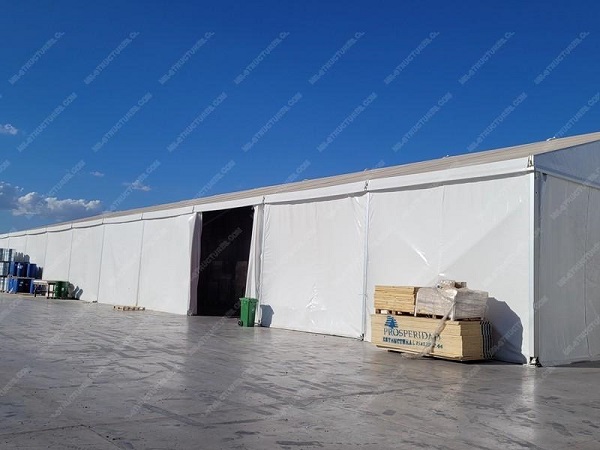
Climate-Controlled and Sensitive Storage
Businesses often need to store goods that require strict temperature and contamination controls. A temporary warehouse tent or temporary modular warehouse tent provides a reliable solution for sensitive storage needs. These structures use advanced climate control systems and security features to protect valuable products.
Protecting Sensitive Goods
Pharmaceuticals and Medical Supplies
Pharmaceutical companies and medical suppliers must keep products at precise temperatures. A temporary warehouse tent uses integrated HVAC systems to maintain stable conditions. Insulated warehouse dividers help prevent contamination and temperature fluctuations. Thermal materials block contaminants and control airflow, which is essential for storing vaccines, medicines, and medical devices.
Insulated dividers create separate zones for different temperature requirements.
Thermal barriers keep out dust and moisture.
Controlled airflow reduces the risk of spoilage or degradation.
Pharmaceutical distributors rely on these tents to meet industry regulations. They can set up climate-controlled storage near hospitals or distribution centers, ensuring quick access to critical supplies.
Food and Beverage Storage
Food and beverage companies use temporary modular warehouse tents to store perishable goods. These tents maintain cold or ambient temperatures for products like dairy, produce, and packaged foods. The climate control system keeps food fresh and safe for consumers.
Temperature-controlled environments prevent spoilage.
Dividers separate allergen-free zones from general storage.
Quick deployment allows companies to respond to seasonal demand.
Food processors and distributors benefit from flexible layouts. They can expand or reconfigure storage as inventory changes.
Customization and Security
Temporary warehouse tents offer many customization options for regulated industries. Companies can choose door types, dimensions, and leg heights to fit their operations. The following table highlights key features:
| Feature | Description |
|---|---|
| High-Performance Doors | Garage doors with 14' high and 13' wide openings |
| Leg Height | 14.5' clearance for large equipment |
| Surface Compatibility | Installation on concrete, grass, or asphalt |
| Usage | Suitable for warehouses and logistics operations |
Security remains a top priority for sensitive storage. Companies use lockable doors, reinforced entry points, and access control systems to protect goods. Motion sensors and alarm systems add another layer of safety.
Lockable doors prevent unauthorized access.
Reinforced entry points withstand forced entry attempts.
Access control systems track who enters and exits.
Motion sensors alert staff to unusual activity.
Compliance features help businesses meet safety standards. Exits must have illuminated signs, and emergency lighting should last at least 1.5 hours during power failures. These measures ensure that staff and products stay safe in any situation.
A temporary warehouse tent or temporary modular warehouse tent provides climate-controlled, secure, and customizable storage for sensitive goods. Companies in pharmaceuticals and food industries trust these solutions to protect inventory and maintain compliance.
Addressing Concerns About Temporary Warehouse Tents
Businesses often have questions about the reliability and practicality of temporary warehouse tent solutions. They want to know if these structures can withstand harsh weather, keep valuables secure, and meet safety and compliance standards. This section explores these concerns and explains how modern temporary modular warehouse tents address them.
Durability and Weather Resistance
Many companies worry about the quality of materials and the ability of a temporary warehouse tent to handle rain, snow, and strong winds. The term "temporary" sometimes leads people to underestimate the strength and longevity of these structures. Modern tents use advanced engineering and high-quality materials to deliver lasting performance.
| Feature | Description |
|---|---|
| Weather Resistance | Engineered systems withstand winds up to 100 km/h and snow loads of 75 kg/m². |
| Material Quality | Waterproof, fire-rated PVC fabrics protect against rain, snow, and fire hazards. |
| Durability | 6061-T6 aluminum frames resist corrosion for over 15 years; industrial fabrics last 6-8 years. |
| Versatility | Modular design allows for expansion and reconfiguration without costly reconstruction. |
High-quality PVC fabrics resist UV rays, chemical corrosion, and water vapor. Aluminum alloy frames provide strong support and adapt to severe weather. Reinforcements such as wind ropes and ground anchors improve wind resistance. While these materials may cost more at first, they offer long-term savings because they last longer and need less maintenance.
Note: Temporary modular warehouse tents can be used for extended periods, not just short-term needs.
Security and Safety
Security remains a top concern for businesses using temporary warehouse tent solutions. Companies want to protect their inventory and equipment from theft and damage. Safety features also play a key role in commercial use.
Businesses conduct risk assessments to identify hazards.
Emergency exits are clearly marked and easy to access.
Staff receive training on evacuation plans and exit procedures.
Communication plans help teams respond quickly during emergencies.
Strategies for post-evacuation gathering ensure everyone is accounted for.
Lockable doors, reinforced entry points, and access control systems help keep valuables safe. Motion sensors and alarms add extra protection. These features support a secure environment for both goods and personnel.
Compliance and Scalability
Temporary modular warehouse tents meet strict safety and compliance standards. Suppliers design these structures to handle wind speeds of 100 km/h and snow loads of 75 kg/m². Rapid installation allows businesses to use them for temporary or permanent needs. Customizable spans up to 50 meters provide efficient use of space.
| Feature | Description |
|---|---|
| Frame Material | Lightweight aluminum or galvanized steel resists rust and provides strength. |
| Cover Material | Double-coated PVC blocks UV rays, resists tears, and meets fire safety standards. |
| Modular Design | Easy expansion and relocation for changing business needs. |
| Ground Fitment | Suitable for grass, sand, cement, or marble surfaces. |
| Compliance | Fire resistant, waterproof, UV blocking, and tear resistant. |
Customization options include integrated doors, insulation, lighting, and branding. Professional teams provide global installation and support. These features make temporary warehouse tent solutions scalable and adaptable for many industries.
Tip: Businesses should always review safety and compliance features before choosing a temporary modular warehouse tent.
Temporary warehouse tents offer businesses seven innovative ways to address operational challenges. These structures provide a solution that adapts quickly to changing needs and supports real-world use cases. Companies benefit from rapid deployment, modular design, and up to 60% lower costs compared to permanent buildings.
| Aspect | Temporary Warehouse Tents | Permanent Structures |
|---|---|---|
| Cost | Up to 60% less | Hundreds of thousands of dollars |
| Construction Time | Days to weeks | Months to years |
A trusted supplier like MEISTER helps businesses select the right solution by considering frame material, span width, and local support. Companies seeking flexible, cost-effective options should explore these tents for their next project.
FAQ
What is a temporary warehouse tent?
A temporary warehouse tent is a modular structure designed for short-term or semi-permanent storage. Companies use these tents to expand space quickly and protect inventory from weather.
How long does it take to install a temporary modular warehouse tent?
Most teams can install a temporary modular warehouse tent within a few days. The process depends on the size and site conditions.
Can a temporary warehouse tent withstand harsh weather?
Manufacturers design temporary warehouse tents with strong frames and durable fabrics. These tents resist wind, rain, and snow, making them suitable for various climates.
Are temporary modular warehouse tents customizable?
Companies can customize temporary modular warehouse tents for size, layout, doors, and climate control. This flexibility helps meet specific business needs.
What industries use temporary warehouse tents?
Industries such as logistics, retail, agriculture, and manufacturing use temporary warehouse tents for storage, staging, and workspace solutions.
Is climate control available in temporary modular warehouse tents?
Many temporary modular warehouse tents offer HVAC systems, insulation, and ventilation. These features help protect sensitive goods like food and pharmaceuticals.
How secure are temporary warehouse tents?
Temporary warehouse tents include lockable doors, reinforced entry points, and alarm systems. These features help protect inventory and equipment from theft.
Can businesses relocate or expand a temporary modular warehouse tent?
Teams can move or expand temporary modular warehouse tents as business needs change. Modular design allows easy reconfiguration and relocation.